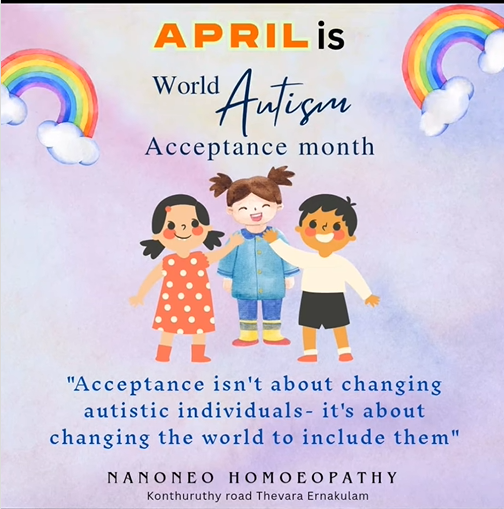
Autism Spectrum Disorder (ASD)
Autism Spectrum Disorder (ASD)
Autism Spectrum Disorder (ASD) is a developmental disorder that affects how a person thinks, interacts, and experiences the world. It is termed a "spectrum" because it encompasses a range of conditions and abilities, with individuals showing varying degrees of symptoms, severity, and challenges. ASD is usually diagnosed in early childhood, though some cases may not be identified until later.
People with autism may have difficulty with communication, social interactions, and repetitive behaviors, but their intellectual abilities and learning patterns can vary significantly. Some individuals with autism may have intellectual disabilities, while others may have average or above-average intelligence.
Causes of Autism
The exact cause of autism is still not fully understood, but it is thought to result from a combination of genetic and environmental factors:
Genetic Factors:
- Genetic mutations and variations are believed to play a significant role in the development of ASD. Studies suggest that certain genes involved in brain development may be disrupted in people with autism.
- Autism tends to run in families, and having a sibling with ASD increases the likelihood of another child being diagnosed with the disorder.
Environmental Factors:
- Environmental factors, such as prenatal exposure to toxins, maternal infections, or complications during pregnancy, may contribute to the development of autism, but more research is needed to fully understand these influences.
Neurological and Brain Development:
- Differences in brain structure and function, including abnormal growth patterns in certain areas of the brain (such as the social communication centers), may contribute to the behavioral and cognitive features of ASD.
Vaccines:
- There is no scientific evidence linking vaccines to the development of autism. The theory suggesting a link between the MMR vaccine (measles, mumps, rubella) and autism was debunked, and no credible studies have substantiated this claim.
Symptoms of Autism
The symptoms of autism vary greatly from person to person, but generally fall into two main categories: social communication challenges and restricted or repetitive behaviors.
1. Social Communication and Interaction Challenges:
- Difficulty with Verbal and Nonverbal Communication: Some individuals may have difficulty with speech and language development, while others may have a strong vocabulary but struggle with the nuances of conversation. Nonverbal communication, such as eye contact, facial expressions, and body language, may also be challenging.
- Difficulty Understanding Social Cues: People with ASD may struggle to understand social norms, such as taking turns in conversation, interpreting sarcasm, or recognizing emotions in others.
- Challenges with Relationships: Forming and maintaining friendships may be difficult. Individuals with ASD may find it hard to express emotions, understand social dynamics, or engage in social play.
- Lack of Interest in Socializing: Some individuals with autism may prefer to spend time alone and may show limited interest in interacting with others.
2. Restricted or Repetitive Behaviors:
- Repetitive Movements: Common behaviors include hand-flapping, rocking, or spinning objects. These behaviors are often calming and may serve as a way to self-regulate.
- Fixated Interests: Many individuals with autism have very intense, focused interests, often on specific subjects or objects. They may engage in these interests for long periods of time, sometimes to the exclusion of other activities.
- Insistence on Sameness: Individuals with autism may have difficulty with changes in routine or environment. Even small changes, like a change in the furniture layout or a shift in schedule, may cause distress.
- Sensory Sensitivities: People with autism may be overly sensitive to sensory input, such as bright lights, loud sounds, certain textures, or even food tastes and smells. Conversely, they may also seek sensory input, such as spinning or rubbing objects.
3. Intellectual and Cognitive Features:
- Varied Intellectual Abilities: Autism affects people across a wide spectrum of intellectual ability. Some individuals with autism have intellectual disabilities, while others may have normal or above-average intelligence. A small percentage of individuals may have what is called "savant abilities," where they possess exceptional skills in areas like math, music, or art.
- Learning Styles: Individuals with autism often have unique learning styles. Some may excel in specific tasks or subjects, while others may require more support in learning basic skills.
Diagnosis of Autism
Autism is typically diagnosed in early childhood, often between the ages of 2 and 3, although it can be diagnosed as early as 18 months. Early intervention is critical for supporting development and improving long-term outcomes.
Diagnostic Process:
- Developmental Screening: Pediatricians often perform developmental screenings during well-child visits, looking for signs of autism. If concerns are raised, they may refer the child to a specialist for further evaluation.
- Comprehensive Evaluation: A full diagnostic evaluation may include observation of the child’s behavior, interviews with parents, developmental history, and standardized tests. Specialists such as developmental pediatricians, psychologists, neurologists, or speech-language pathologists may be involved.
- Autism Diagnostic Observation Schedule (ADOS): This is a structured assessment tool used to observe and diagnose autism by evaluating communication, social interaction, and play behavior.
- Autism Diagnostic Interview-Revised (ADI-R): A comprehensive interview tool used to assess developmental history and current behaviors.
Treatment and Support for Autism
Treatment is highly individualized based on the person’s unique needs and strengths.
1. Behavioral Therapies:
Applied Behavior Analysis (ABA):
- ABA is one of the most widely used therapies for autism, focusing on encouraging positive behaviors and teaching skills through reinforcement.
- Therapists use structured and individualized interventions to improve communication, social skills, and daily living skills.
Early Start Denver Model (ESDM):
- A comprehensive behavioral early intervention for toddlers and young children with autism. ESDM combines ABA with developmental principles to address language, cognitive, and social skills.
Developmental, Individual Differences, Relationship-Based Model (DIR/Floortime):
- A therapeutic approach that focuses on building emotional and social connections through play and interactions that are tailored to the child's individual needs.
2. Speech and Language Therapy:
- Speech therapy helps individuals with autism improve their communication skills, both verbal and nonverbal. Techniques may include learning to use gestures, sign language, or communication devices.
- For individuals with more advanced language skills, therapy may focus on improving social communication and conversation skills.
3. Occupational Therapy:
- Occupational therapists help individuals with autism develop daily living skills, such as dressing, eating, and using the toilet. They also help individuals with sensory sensitivities by working on sensory integration strategies.
4. Social Skills Training:
- Social skills training helps individuals with autism learn to interact with others appropriately. Group or individual therapy may focus on topics like understanding social cues, taking turns in conversations, and forming friendships.
5. Medication:
Autism can be treated successfully & harmlessly with Homoeopathic medicines
6. Family Support and Education:
- Parents and caregivers play a key role in supporting individuals with autism. Family counseling, parent training programs, and support groups are important for helping families understand autism and how to support their loved ones.
- Special education programs and individualized education plans (IEPs) are essential for helping children with autism succeed in school. These plans outline specific goals, strategies, and support services tailored to the child’s needs.
Outlook and Prognosis
The outlook for individuals with autism can vary widely. Some individuals with autism will live independently as adults, while others may need ongoing support throughout their lives. Early intervention, tailored therapies, and strong support systems can make a significant difference in helping individuals develop their full potential.
While autism itself does not affect life expectancy, individuals with autism are at an increased risk for other conditions, such as epilepsy, gastrointestinal problems, and mental health issues, which require ongoing medical attention.
Conclusion
Autism Spectrum Disorder is a complex, lifelong condition that affects communication, social interaction, and behavior. The exact cause remains unclear, but a combination of genetic and environmental factors is thought to contribute to its development. Early diagnosis and intervention are critical for providing individuals with the skills and support they need to lead fulfilling lives. With appropriate therapies and support, individuals with autism can make significant progress and reach their personal potential, although the challenges associated with the disorder may continue throughout their lives.